

30-for-30: What the U.S. and China Agreed On, and What Importers Should Do Before Anything Takes Effect
On September 27, the White House and USTR released reciprocal lists of goods recommended for reduced tariff treatment, about $30 billion of trade each way. The U.S. list covers 77 tariff lines of Chinese goods such as toys, tableware, and holiday decorations. China's list covers 1,619 lines of U.S. goods, including agricultural commodities, seafood, cosmetics, and medical devices. Chips, EVs, and batteries are left out.
What the New Polysilicon Anti-Stockpiling Rule Does, and Who It Actually Affects
CBP issued guidance on September 23, and BIS published a temporary final rule on September 24, restricting stockpiling of polysilicon and its derivatives, including ingots, wafers, solar cells, and modules. Some coverage has called it an import ban, but for most importers it is a monitoring program. The rule runs from September 22 through December 3, ahead of the Section 232 measures under Proclamation 11052 that start December 4: a 15% tariff on polysilicon derivatives and minimum import prices of $21/kg for polysilicon, $100/kg for ingots and wafers, $0.22/W for cells, and $0.38/W for modules.
CBP Fixed a Three-Month Gap in Section 301 China Exclusions. If You Imported the Affected Products, You May Be Owed a Refund
CBP issued guidance on September 22 fixing a mismatch between four Section 301 China product exclusions and updated HTSUS statistical codes that took effect July 1. The exclusions, claimed under HTSUS 9903.88.69, had not been updated to reference the new 10-digit codes, which means importers who entered qualifying goods, certain compressor and refrigeration parts and certain plastic articles, between July 1 and September 22 may have paid Section 301 duty on products that should have been exempt. The fix went live in ACE at noon September 23, and CBP has confirmed importers can file a Post Summary Correction on or after that date to recover the duty, or a protest if the PSC window has passed.

CAPE Phase 3 Gets a Launch Date: October 6. Here Is Why That Date Matters Less Than Who Qualifies
CBP told the Court of International Trade on September 15 that Phase 3 of CAPE, the piece covering finally liquidated IEEPA entries, will deploy October 6, 2026. As of September 11, CAPE has processed 27.2 million entries since launching April 20, accounting for $134.7 billion in refunds, with $1.3 billion still stuck at Treasury because 20,184 refunds are missing ACH banking information from the importer of record.
Canada's Retaliatory Tariffs Are Live: The Rate Structure, the Transit Exemption, and What to Check Today
At 12:01 a.m. ET on September 8, Canada's retaliatory tariffs on US goods took effect, closing the loop on the trade breakdown that began with US Section 338 tariffs on Canadian goods August 22. Canada is matching the US rates product by product: 15%, 25%, or 50% depending on category, with each Canadian rate set to match the corresponding US tariff on the equivalent Canadian good. Steel, aluminum, and iron products face the top 50% rate, doubling Canada's prior tariff to match the US rate on Canadian steel and aluminum. Dairy, appliances, and certain steel and aluminum derivatives sit at 25%. The full list spans more than 700 products and roughly $27.6 billion in US imports.

CBP Will Start Voiding Importer Numbers on September 18. Here Is Exactly What It Is Checking, and Why the Fixes Are Not as Simple as They Look
CBP published a Federal Register notice on August 19 that most importers have not seen. Beginning September 18, 2026, CBP will immediately void any importer of record number where CBP Form 5106 information is inaccurate or incomplete, and a voided number cannot be used for any purpose, including making entry. There is no grace period. Cargo simply stops at the port.
CAPE has processed refunds totalling $132.5 billion; Phase 3 has been delayed and was originally intended for fewer importers than many believed.
CBP's August 25 update to the Court of International Trade shows real volume moving through the IEEPA refund system: 26.4 million entries processed since CAPE launched April 20, accounting for $132.5 billion in refunds, with $106.6 billion already sent to Treasury. It also confirms a delay to Phase 3, the piece of CAPE covering finally liquidated entries, which CBP says it needs to delay to build validations ensuring the reliquidation touches only IEEPA duties and catches improper original reporting.
US-Canada Trade Talks Collapsed Friday Night. Here Is What Happened, What Is Now in Effect, and What Comes Next
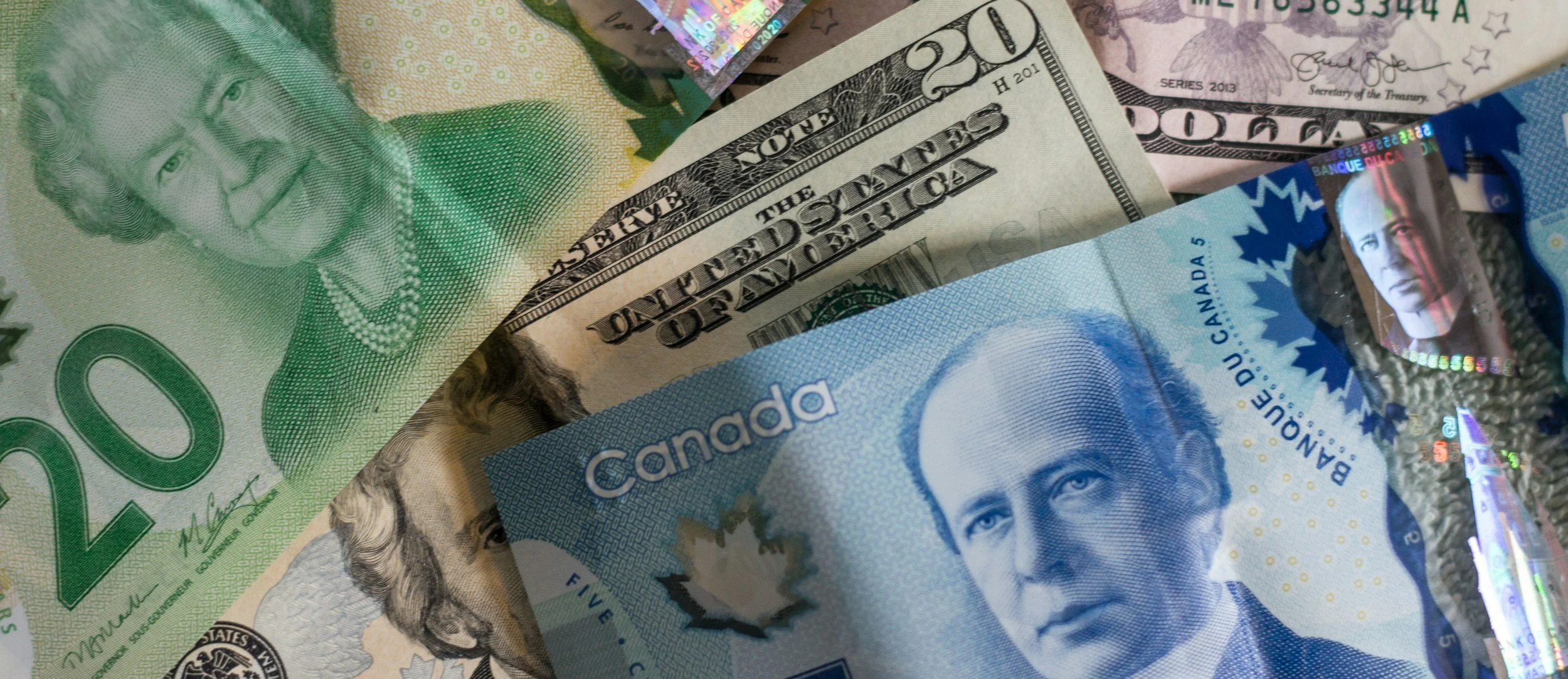
Trade talks between the United States and Canada collapsed late Friday night, and within hours the US imposed 50% tariffs on $20 billion of Canadian goods, including wine, furniture, dairy, cement, clothing, and hockey equipment. USTR Jamieson Greer said Canada declined to finalize terms already agreed to. Prime Minister Mark Carney offered a different account, saying US demands in recent days were unfair and uneconomic, and that Canada had offered to drop its remaining retaliatory tariffs on steel, aluminum, and autos in exchange for lower US tariffs. That offer did not close the gap.
German Port Strikes: The Talks Are Back On. Here Is What Happened and What Comes Next.
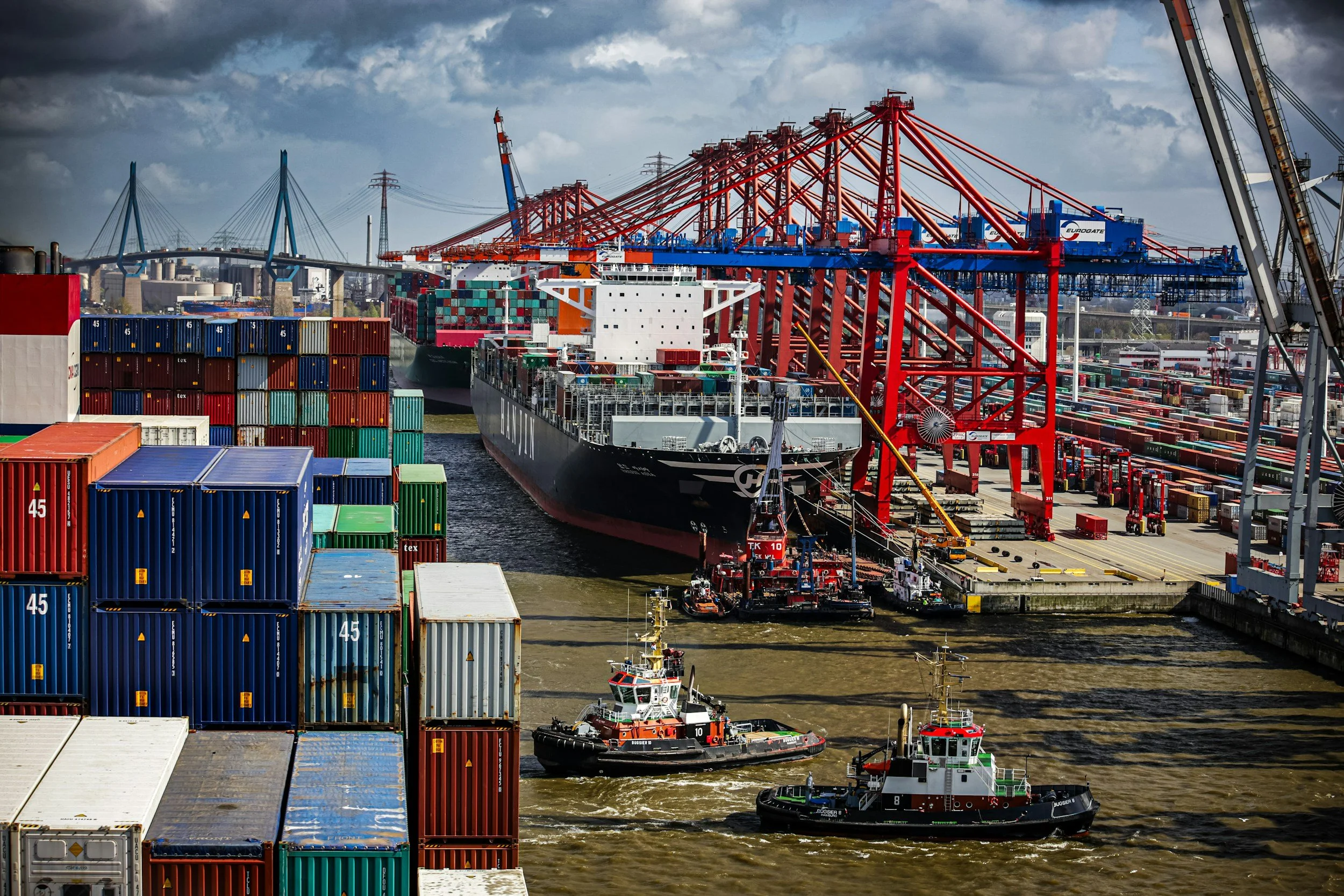
The 24-hour warning strikes at six German North Sea ports, Hamburg, Bremerhaven, Bremen, Wilhelmshaven, Emden, and Brake, ran from Monday night through Tuesday and produced a result. ZDS, the employers' association, announced today it will return to negotiations with ver.di next Monday and Tuesday in Hamburg. Ver.di's lead negotiator accepted, saying plainly the strikes had an effect.

New Section 232 Drone Tariffs: What the Weight and Thermal Imaging Thresholds Actually Mean, and Why This Is Really About One Company
On August 13, President Trump signed a proclamation imposing Section 232 tariffs on unmanned aircraft systems and their components, effective September 3. The rate depends on specific product characteristics: drones over 25 kilograms maximum takeoff weight, or any drone with thermal imaging capability, face 100%. Drones at or under 25 kilograms without thermal imaging face 25%. Products of Japan, South Korea, Taiwan, the EU, Switzerland, and Liechtenstein are capped at 15%; UK products at 10%.

CBP's New PSC Payment Rule: What Changed, What It Locks You Out Of, and What to Fix Before Your Next Filing
Effective August 5, 2026, CBP requires electronic payment through ACH for any duty, tax, or fee increase resulting from a Post Summary Correction. Checks and cash are no longer accepted, superseding guidance in place since 2017 that allowed payment at the port of entry. The change was formally announced in a July 6 Federal Register notice, and CBP issued a reminder via CSMS on August 3.

Commerce Proposes 14 New Section 232 Derivative Categories: What Is Covered and What to Check Before August 27
BIS published a Federal Register notice on August 6 proposing to bring 14 additional derivative articles within the scope of Section 232 duties on steel, aluminum, and copper. Comments are due August 27, a short window if your products are affected. The proposed categories include aluminum powder, brass-wind instruments and parts, welding machine parts, floor safes, certain electric conductor cables, fire extinguishers, heat exchange unit parts, hydraulic engine and motor parts, certain cranes and lifting equipment, several trailer categories, and certain filled steel containers. Most would carry a 25% rate, with cranes, lifting frames, straddle carriers, and trailers at 15%.

Customs Brokers Weigh In on the New Enforcement Order: What NCBFAA Told CBP, and What It Means for Importers
NCBFAA sent CBP a formal letter responding to Executive Order 14411, the customs enforcement order signed June 3. The letter is not opposition. NCBFAA President Karen Damon was clear that the brokerage community supports the order and sees customs brokers as having a critical role in implementing it. What the letter offers instead is a set of specific questions and recommendations on how the rules should work in practice.
What the New Section 338 Tariffs on Canada Actually Cover
On July 20, President Trump signed three proclamations under Section 338 of the Tariff Act of 1930, each imposing an additional 50% duty on a category of Canadian-origin goods: dairy, alcoholic beverages, and motor vehicles. All three take effect August 19. Two details are worth understanding beyond the headline categories.
USMCA Was Not Renewed on July 1. Here Is What That Actually Means, and Why Your Rules of Origin Are Now the Thing to Watch.
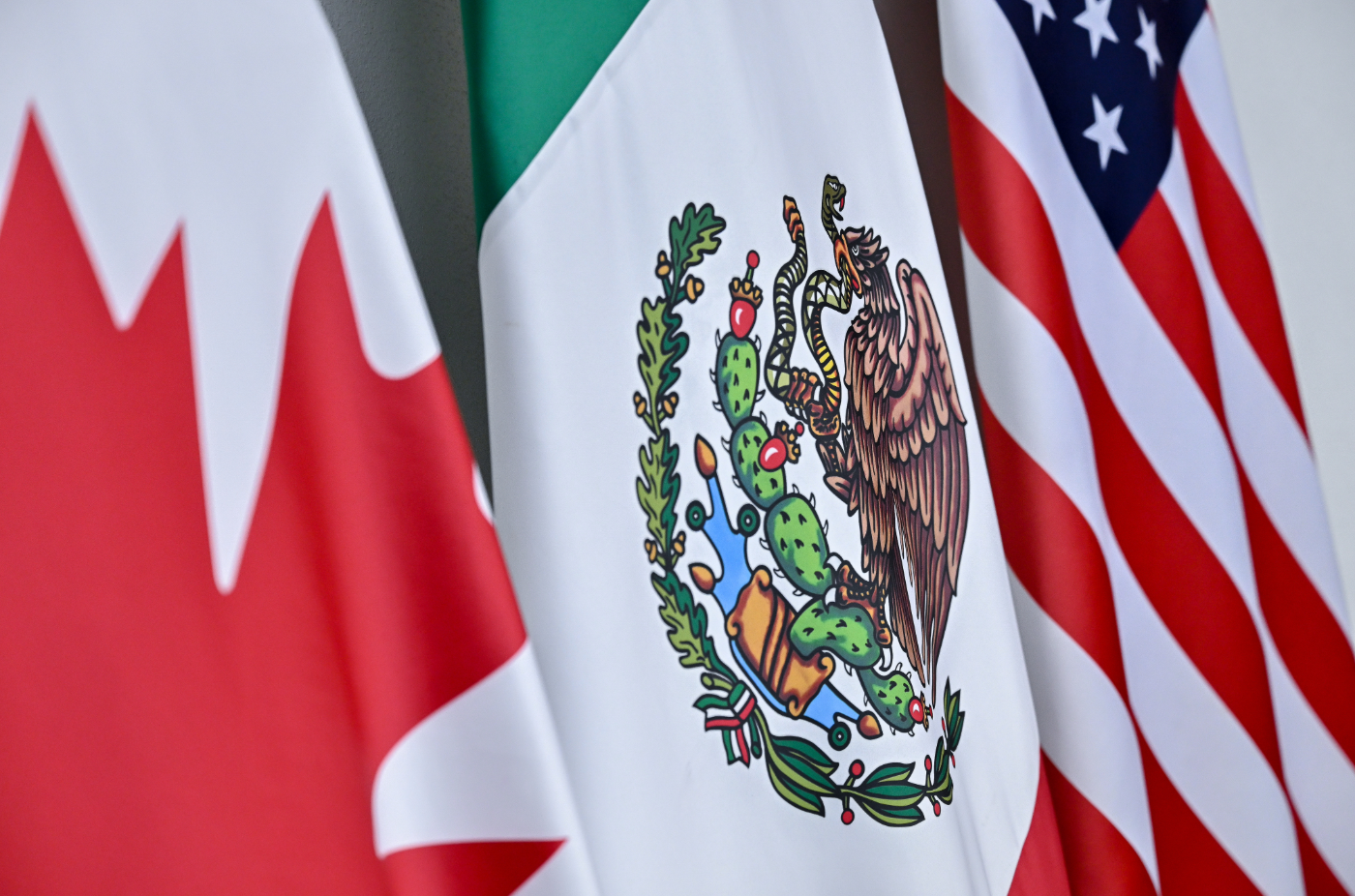
On July 1, the United States declined to renew USMCA at its first mandatory joint review. USTR Greer's statement was blunt: "The United States did not agree to renew the USMCA in its current form. As a result, the USMCA is not renewed." The headlines that followed were alarming and mostly missed the point.
CBP Is Auto-Deactivating Dormant Importer Accounts Starting July 16. Here Is Who Gets Caught and How to Fix It.
CBP deploys a new "Inactive for Entry Purposes" status in ACE on July 16, automatically deactivating any Importer of Record that has not filed an entry in 366 days. An account in that status cannot transmit Cargo Release or Entry Summary transactions. It reads like a maintenance notice, and it is not one.

CBP's New International Mail Guidance, Explained: The Bond, the Pay.gov Account, and the Seven Steps You Need Working by July 24.
CBP issued updated global guidance for international mail on July 6, and it lays out the mechanics the earlier announcements left vague. The de minimis suspension for mail was already known. What is new is the operating manual: to use the new postal informal entry process that takes effect July 24, you need the right to make entry, a bond on file in ACE eBond, and a Pay.gov account for paying duties by ACH debit, with a monthly spreadsheet of fourteen data fields per shipment due by the seventh of the following month.

Transpacific Rates Have Outrun the Spring Forecasts. A Look at What Changed and How to Plan for Q3.
Earlier this year, the consensus forecast for 2026 container shipping pointed to a soft market: fleet overcapacity, moderate demand, and falling rates. Shanghai to Los Angeles was quoted between $1,200 and $1,800 per FEU in the spring, and many importers set annual freight budgets on that basis. Last week the same lane reached $6,349, Shanghai to New York hit $7,902, the Drewry index rose 9% in a week, and HMM announced a $3,000 peak season surcharge effective July 15.

The Supreme Court Closed the Book on the China Tariff Challenge. Here's What That Actually Means for Importers.
On June 15, the Supreme Court declined to hear HMTX Industries v. United States, the test case challenging the Section 301 tariffs on List 3 and List 4A goods from China. No comment, no reasoning, just a denial. That ends an eight-year fight. The tariffs stand, no refunds will come through this case, and the 3,500-plus related cases waiting at the Court of International Trade will likely be dismissed.

A Deal to Reopen Hormuz Is on Paper. Trump Hasn't Signed It. Here's What That Actually Means for Your Freight.
Today brought the biggest development in the Strait of Hormuz crisis since February. The White House confirmed that U.S. and Iranian negotiators reached agreement on a Memorandum of Understanding. The reported terms are real and specific: a 60-day ceasefire extension, unrestricted passage through the strait, removal of Iranian mines within 30 days, the U.S. easing its blockade in parallel, and 60 days of nuclear talks including disposal of Iran's enriched uranium stockpile. If it holds, it is the path out of three months of closure.